Subscription Fulfillment for Supplement Brands: Workflows That Scale Without Breaking
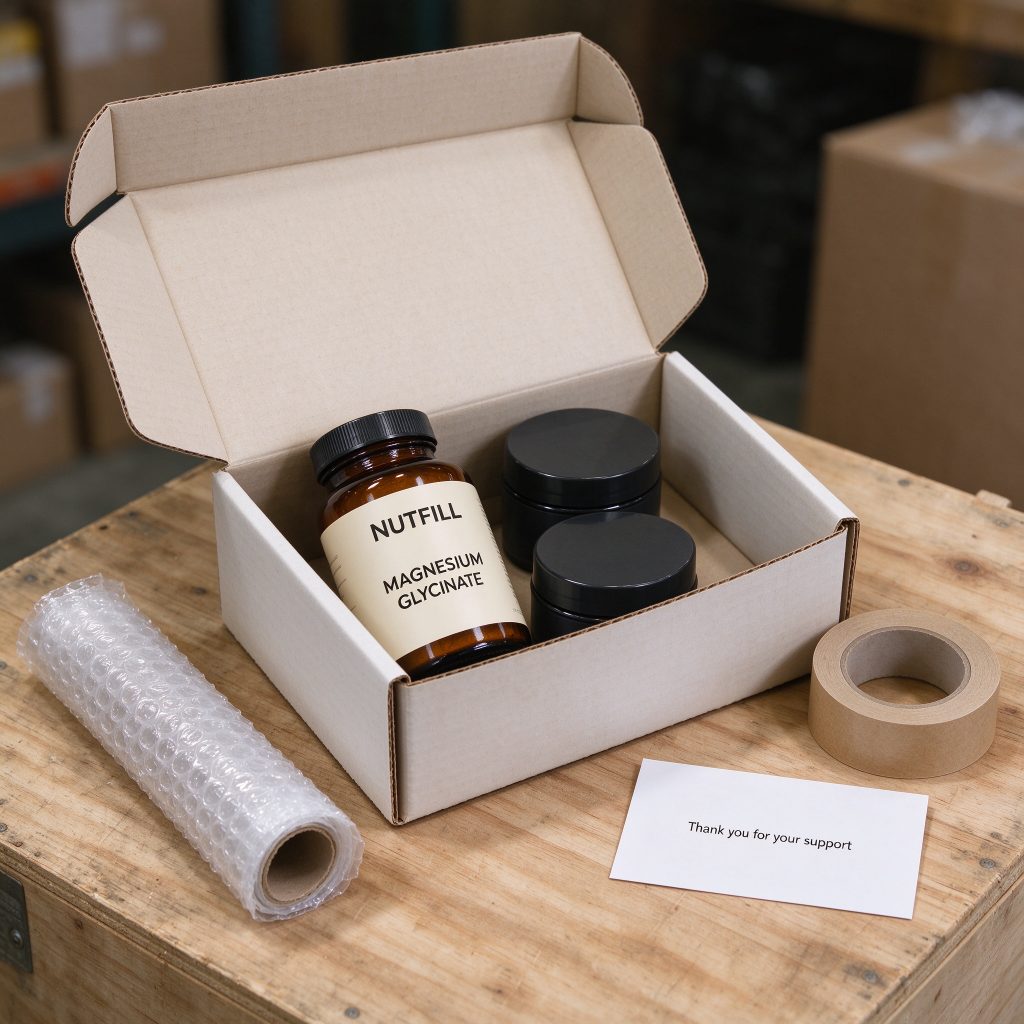
Subscriptions are the most valuable growth engine a supplement brand can build — and for a Shopify store, they are also the fulfillment model that changes everything downstream. Recurring orders flatten demand, compound lifetime value, and turn the 70–85% gross margins of private label supplements into predictable, growing revenue. But a subscription changes how the warehouse works: forecasting, inventory, picking, and shipping all run on a schedule, and one broken workflow can cancel hundreds of recurring orders in a single day. This guide covers the fulfillment workflows that let supplement brands run subscription supplements on Shopify without breaking the promise that made buyers subscribe in the first place.
Why Subscriptions Change the Fulfillment Game
A one-off order is a transaction; a subscription is a relationship with a schedule. On Shopify, that relationship starts the moment a buyer picks a subscribe option at checkout and continues through every renewal your subscription app generates. The difference reshapes fulfillment in four ways:
- Forecasting becomes predictable — and unforgiving. Your Shopify subscription app knows subscriber counts and cycle dates, so you know roughly how many orders ship each cycle. Stockouts are never acceptable: a subscriber who misses a delivery does not just miss one order, they cancel.
- Inventory must be allocated by expiry. Subscription cycles mean product sits in your warehouse longer than one-off inventory. FEFO rotation and date-based allocation decide whether cycle four ships product that still has full potency.
- Picking shifts from single items to kits. Subscription boxes combine multiple SKUs — the hero product, a refill, a sample, a printed card. Kitting accuracy is a brand experience, not a back-room detail.
- Churn hides in fulfillment failures. Late shipments, wrong SKUs, and damaged boxes are the silent causes of subscription churn. The workflow, not the marketing, is what actually retains subscribers.
The Subscription Fulfillment Workflow
A reliable subscription operation runs on six connected stages. Each one has a failure mode, and each one needs a defined workflow:
1. Connect the subscription app to the order flow
Start with the technology layer. Choose Shopify Subscriptions or a third-party subscription app from the Shopify App Store, and make sure every renewal and every new signup creates a real order in your Shopify admin. Orders must then flow to your fulfillment partner automatically — no manual re-entry, no spreadsheets. The cleaner this connection is, the fewer failure points the rest of the workflow has.
2. Forecast the cycle
Project demand per SKU per cycle using subscriber counts, cycle length, and seasonal patterns pulled from Shopify analytics. Add a buffer for new signups mid-cycle. The forecast drives both purchasing and warehouse capacity — and it should be revisited every cycle, not set once.
3. Allocate inventory with expiry awareness
Split inventory by expiry date and allocate the oldest dates first (FEFO). Reserve stock for committed subscription cycles before any one-off sales draw from the same pool. If a SKU is short-dated, know it weeks before it ships — your fulfillment partner should surface expiry dates in the same order feed your Shopify team watches.
4. Build the kit with accuracy controls
Subscription boxes are kitted in advance of the ship date. Define the kit structure — which SKUs, quantities, inserts, and label variants — and build in verification. A barcode scan per component at kitting catches the errors that cost you a subscriber.
5. Ship on schedule with tracking
Cycle dates are a promise. The fulfillment partner should ship on the scheduled window, not “whenever.” Tracking numbers must reach the customer automatically — Shopify’s native shipping notifications or a shipping app can handle this — and exceptions (address issues, customs holds, out-of-stock substitutes) need a defined handling path before they happen.
6. Feed the loop back
Returns, complaints, and missed deliveries are data. The workflow should capture why a subscription order failed and feed that back into forecasting, packaging, and carrier choices — and into the order tags and customer notes your Shopify team uses every day. The loop is what turns a subscription operation from reactive to self-correcting.
Subscription vs. One-Off Fulfillment
The operational gap between one-off and subscription fulfillment is easy to underestimate. In your Shopify admin both order types look similar; the difference shows up in the warehouse. This comparison shows where the two diverge:
| Workflow stage | One-off orders | Subscription orders |
|---|---|---|
| Demand pattern | Spiky, marketing-driven | Scheduled, predictable |
| Inventory logic | FIFO fine, fast turns | FEFO, date-allocated, reserved |
| Picking | Single SKU, fast | Multi-SKU kitting, verified |
| Ship timing | “As fast as possible” | Fixed cycle window |
| Retention impact | Low (transaction done) | High (every cycle is a renewal) |
The margin math follows the same pattern. A one-off order earns the standard 70–85% private label margin once; a subscription earns that margin every cycle, which is why retention is worth so much more than acquisition. Fulfillment is where retention is actually delivered — a subscriber who receives the right kit, on schedule, in perfect condition is a subscriber who stays. The subscription apps in your Shopify stack can measure that renewal behavior, but only the fulfillment workflow can deliver it.
The Scaling Checklist
Before you scale subscriptions, run this checklist against your operation:
- Own the forecast. Know subscriber counts, cycle length, and per-SKU demand per cycle — and review it every cycle in Shopify analytics.
- Reserve before you sell. Allocate committed subscription inventory before one-off sales draw from the same stock.
- Go FEFO everywhere. Expiry-date allocation across every SKU, every cycle, with visibility weeks ahead.
- Verify every kit. Barcode-scan components at kitting; define the kit structure and label variants in writing.
- Fix the schedule. Cycle windows, shipping cutoffs, and tracking notifications defined with the fulfillment partner and wired into your Shopify shipping setup.
- Define exception paths. What happens when a subscriber’s card fails, an address bounces, or a SKU runs short — before it happens. Subscription apps can automate card retries (dunning); the warehouse needs its own playbook.
- Measure the loop. Track fulfillment-tied churn: late shipments, wrong SKUs, and damages, and drive them to zero.
- Stress-test peak. Run one full cycle at double volume before your real peak, and fix what breaks.
FAQ
What is the biggest fulfillment mistake subscription supplement brands make?
Selling subscriptions before the fulfillment workflow is defined. Brands install a Shopify subscription app, launch the offer, then discover the warehouse cannot reserve inventory by expiry date, kit accurately, or ship on the cycle window — and churn spikes immediately. The workflow must be proven at small scale before the offer scales.
How many cycles of inventory should a supplement brand hold?
It depends on supplier lead times, expiry windows, and cycle length. The principle is: hold enough to cover committed subscription cycles plus a buffer for mid-cycle signups, while never letting committed stock age past its potency window. FEFO allocation and expiry visibility matter more than a fixed number of months.
Can the same 3PL handle one-off and subscription fulfillment?
Yes, if the partner runs both workflows properly — separate allocation logic, kitting capability, and cycle scheduling. Many supplement-specialist 3PLs build subscription workflows precisely because recurring orders are where the category’s value compounds, and NutFill is one of them. Ask for reference clients running subscriptions before you commit.
How do I reduce churn caused by fulfillment?
Treat every fulfillment failure as a retention event: same-cycle reshipment, proactive notification, and a cause recorded in the loop. Measure churn tied to late shipments, wrong SKUs, and damage separately from marketing churn, and drive the fulfillment numbers to zero. Subscribers forgive a rare mistake; they do not forgive a pattern.
Subscriptions are the engine that turns supplement margins into brand value. Connect the subscription app to the order flow, forecast the cycle, allocate with expiry awareness, kit with verification, ship on schedule, and feed every failure back into the loop. Do that, and the 70–85% margins of private label supplements repeat month after month — the fulfillment workflow is what makes the promise renew.
