Health Products Dropshipping: Claims, Compliance, and Your First 100 Orders
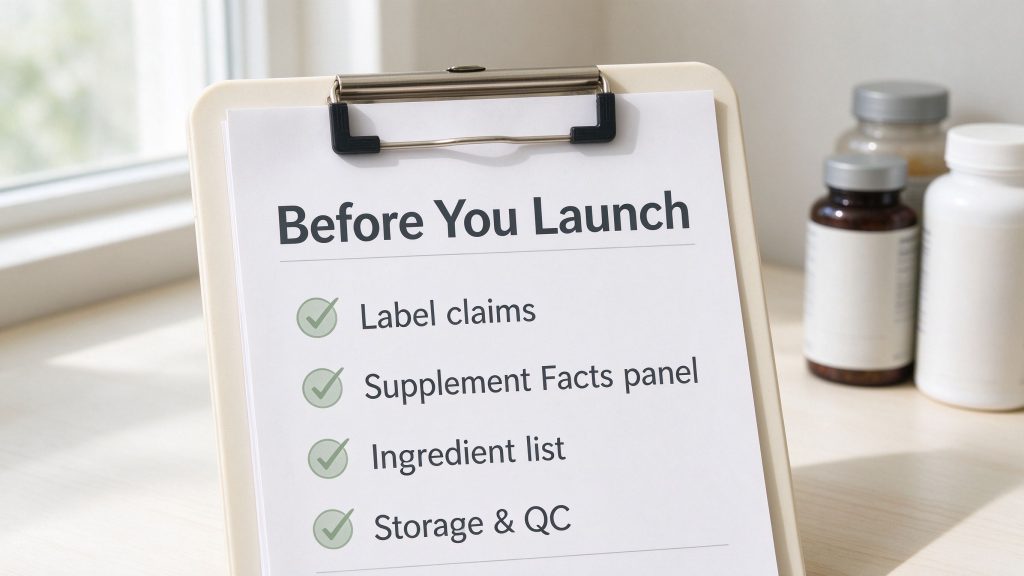
Selling vitamins, supplements, and wellness products online looks easy from the outside: pick a catalog, connect a storefront, and let orders roll in. Health products dropshipping behaves differently from apparel, gadgets, or home goods: every claim on a label, every ingredient in a blend, and every promise on a product page carries regulatory weight, and a storefront that ignores that baseline risks complaints, rejected listings, and customers who lose trust fast. Working with a nutrition dropshipping supplier that already understands this category is the difference between a compliant launch and a storefront built on guesswork. This guide walks through where the category differs from ordinary dropshipping, what compliance actually requires before launch, and the practical sequence that carries a new storefront from its first order to its first hundred.
How Health Products Dropshipping Differs From Regular Dropshipping
Most dropshipping categories compete on price, design, and shipping speed. This category competes first on credibility. Buyers make purchase decisions about ingredients, safety, and expected benefit, and they return when the brand feels reliable, transparent, and careful about what it sells. That shifts the work of the storefront before any ad dollar is spent.
Several differences define the category:
- Claims are regulated. A shirt can be described as soft or stylish without second-guessing; a supplement cannot be described as treating, curing, or preventing a disease. The language on labels, pages, and social posts sits under consumer protection rules that also apply to other products but carry sharper consequences here.
- Products are consumed. Customers ingest what they buy, so quality, freshness, ingredient identity, and lot traceability matter more than scratch-resistant surface finishes or durable hardware.
- Expectations are personal. Buyers track how they feel over weeks and months, which makes consistent sourcing, accurate labels, and honest positioning central to retention.
- Repeat purchases depend on trust. One-time impulse buys give way to subscriptions and reorders when the brand behaves responsibly, which is why compliance protects revenue rather than just paperwork.
A supplier that handles catalog listings and fast delivery can carry a general merchandise store, but a health storefront needs a partner that already understands labeling, documentation, and quality control. That is the core question behind any supplier conversation: does the partner treat compliance as part of the product, or as paperwork the storefront must manage alone?
The Compliance Baseline Every Storefront Must Meet
Compliance does not require a legal team at launch, but it does require a baseline built before the first product page goes live. The same few areas come up again for vitamins, powders, capsules, and gummies, and ignoring them is the fastest way to stall a storefront.
Claims and Substantiation
The copy on a label or product page falls into a few recognized buckets, and the storefront should stay on the right side of each:
- Structure and function statements describe how an ingredient supports normal body functions, such as supporting immunity, energy, or digestion. These are permitted when truthful and backed by evidence, and they typically carry the appropriate disclaimer that statements have not been evaluated by a regulatory authority and the product is not intended to diagnose, treat, cure, or prevent any disease.
- Disease treatment claims describe curing, healing, preventing, or reversing a condition. These cross into drug territory and must be avoided on labels, pages, ads, and influencer scripts.
- Comparative and sensory language should stay honest. Claims about strength, purity, or absorption need support, and marketing exaggeration quickly becomes a liability in reviews and platform review processes.
Keep a simple internal rule: if a statement promises a medical outcome, rewrite it as a general wellness statement, and keep the evidence file for anything you do say.
Label and Supplement Facts Panel
A compliant label carries the information customers and regulators expect to see:
- A Supplement Facts panel with serving size, servings per container, and active ingredient amounts in a clear format.
- The full ingredient list, including components of blends, fillers, and flavors.
- Common allergen statements where applicable, such as declarations for soy, dairy, nuts, gluten, or shellfish.
- Net quantity, lot number, expiration date or best-by date, storage guidance, and the manufacturer or distributor identity.
Labels should match the actual product shipped. A partner that swaps formulas, adds excipients, or changes panel layout without notice breaks that match, which is why label review and documentation belong in the supplier evaluation before launch.
Ingredients, Storage, and Quality Control
Beyond the printed label, the physical product has its own baseline:
- Certificate of Analysis should accompany each formula, confirming identity, potency, and purity for the batch in stock.
- Good manufacturing practices should govern production, and the facility should be able to describe its quality systems when asked.
- Storage and freshness protect products from heat, moisture, and light exposure that degrade potency before the customer opens the bottle.
- Lot traceability lets the brand identify which batch shipped to whom if a quality question ever arises.
The storefront does not manufacture the product, but it owns the customer relationship. Knowing which baseline the supplier meets is part of choosing well.
Choosing a Shopify Health Products Supplier
The storefront platform matters less than the partner behind the bottles, but a clean connection still saves hours of manual order entry. A supplier that works with your storefront should integrate so orders, tracking, and customer records flow without manual retyping, and it should answer the compliance questions from the previous section in plain language.
Evaluate candidates on a short list of practical points:
- A catalog of formulated products you can brand without holding inventory, or a path to custom formulas when the brand is ready.
- Label design support that keeps panel layout, claims language, and ingredient lists consistent and compliant.
- Documentation such as analysis certificates and quality records available to review before you list.
- Per-order pack-and-ship handling, so each customer receives a sealed, correctly labeled package rather than a bulk carton you then repack yourself.
- Shipping speed and tracking that match the promises made on the product page.
A partner like NutFill works as a shopify health products supplier: there is no minimum order quantity, the native Shopify app connects the storefront directly (https://apps.shopify.com/nutfill), and shipped orders typically arrive in 6–10 days. The service combines custom formulation, label design, quality control, and per-order pack-and-ship under one roof, which means the storefront works with a single accountable team rather than stitching together a manufacturer, a label printer, a warehouse, and a courier separately.
From Supplement Dropshipping to Your First Hundred Orders
Once the baseline is in place, growth in supplement dropshipping follows a sequence that respects the category rather than spraying a catalog at traffic. The goal of the first period is learning what resonates, not maximizing immediate sales.
- Pick one hero SKU. Start with a single focused product and one clear customer problem. A narrow offer makes claims easier to keep accurate, pages easier to write, and feedback easier to interpret.
- Order samples to the actual destination. Inspect the bottle, label, panel, seal, freshness, and delivery speed yourself before asking a customer to buy. Note any label issues that need fixing before launch.
- Build one clean product page. Use honest claims, a compliant panel, clear ingredient information, real product photography, and straightforward answers to common questions. Avoid overpromising in headlines or badges.
- Offer subscription terms before you send traffic. Wellness products live on repeat purchase; setting the option up early means the first interested customers can reorder without friction.
- Sell to a warm first audience. Start with people who already know you, followers, email contacts, or a small creator collaboration, and ask for direct feedback on taste, convenience, results, and wording.
- Respond to reviews and questions promptly. Quick, honest replies build the credibility the category rewards, and the questions asked reveal what the next product page should explain better.
- Let feedback choose the next SKU. When one product earns repeat orders and positive mentions, deepen that offer before expanding into unrelated categories.
The first hundred orders are a data-gathering period. They tell you which claim language landed, which ingredient combination people asked about, whether the price felt fair, and where the packaging or copy needed improvement. A supplier that supports ready-to-brand formulas at launch makes this stage affordable; the same partner can then support a move into proprietary products once demand is proven, so the brand does not have to rebuild supplier relationships, labels, and quality records halfway through.
Frequently Asked Questions
Is the wellness supplement category regulated the same way as regular dropshipping?
The same consumer protection rules apply to honesty in advertising across categories, but health products carry additional scrutiny around claims, ingredients, and labeling because what customers ingest can affect their wellbeing. Regular storefronts can describe style and features freely; health storefronts must keep language away from disease treatment promises and keep labels factually accurate.
What claims am I allowed to make on a supplement product page?
You can describe how ingredients support normal body functions and general wellness, using truthful statements backed by available evidence. You should avoid language that says the product treats, cures, heals, prevents, or reverses a specific medical condition, and include the standard wellness disclaimer where required. If a statement sounds like a medical promise, it should be rewritten as a general support statement.
Do I need to hold inventory before I make my first sale?
No. Many health storefronts launch through a dropshipping partner that stocks, brands, and ships per order, which lets the brand test demand before buying bulk inventory. The tradeoff is that per-order fulfillment usually costs more per unit than large batch production, so the model is best for validating products early and scaling winners later.
How do I verify that a supplier handles quality control properly?
Ask directly for analysis certificates, manufacturing quality descriptions, ingredient documentation, and storage practices, and inspect a received sample for seal, label, freshness, and packaging. A transparent supplier should provide these without hesitation; vague answers about documentation or storage are a reason to keep looking.
When should I move from generic catalog products to my own formula?
Move toward a proprietary product after a proven SKU earns repeat orders, clear feedback, and a steady audience who ask for more from your brand. Making the change with the same partner keeps formulation history, label files, quality records, and fulfillment standards continuous, rather than starting over with a new manufacturer after your audience is already built.
Closing Thoughts
The wellness category rewards the storefront that takes compliance seriously before growth, not after a complaint arrives. The work breaks down into a short baseline: keep claims honest, keep labels accurate, verify quality and storage, integrate a supplier that handles fulfillment cleanly, and let the first hundred orders teach you what your customers actually want. The brands that last in this space are the ones that treat trust as the main product, and the supplement itself as the promise behind it.
