Private Label Supplements USA: Why Ready-to-Brand Formulas Win for New Brands
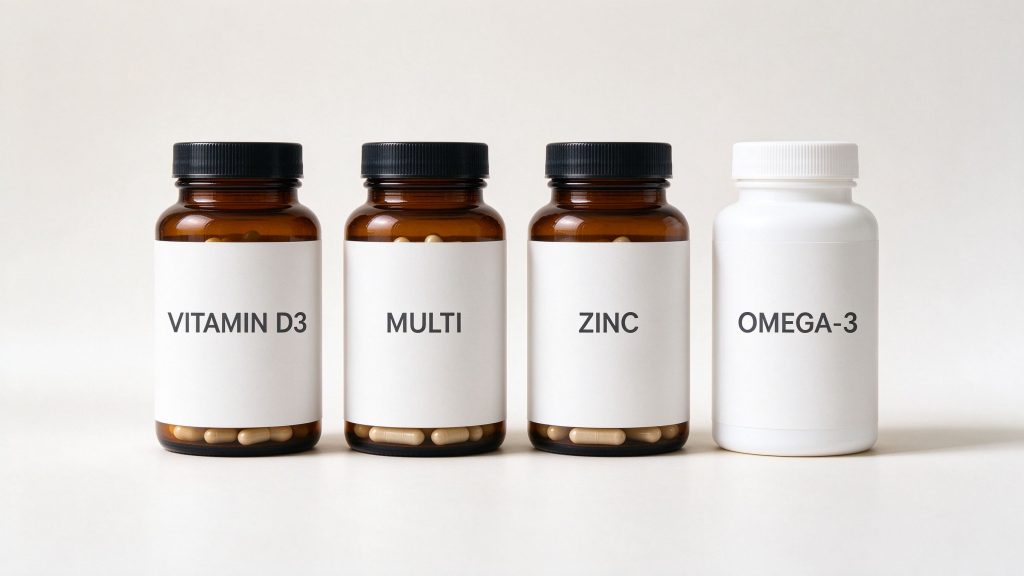
The US supplement market rewards brands that reach buyers quickly, speak clearly to a specific need, and keep quality consistent from the first order onward. For a new founder, private label supplements usa means choosing the fastest credible route to a branded product on a storefront, rather than spending months on custom formulation before anyone has seen the brand. Private label nutrition supplements for a first lineup should follow that same logic: proven formulas, honest labels, and a partner that handles production and fulfillment behind the scenes. This guide explains how new brands enter the US market, how ready-to-brand formulas compare with custom development, what a supplement partner actually handles, and why speed to a real audience matters more than perfecting a formula in private.
Why New Brands Win on Speed in the US Market
US buyers have access to a huge number of established supplement brands, so a new entrant does not win by outspending the competition on shelf space or advertising budget. The realistic advantage for a new brand is focus, speed, and a clear customer relationship: a specific audience, a specific wellness need, and a product that arrives before that audience loses interest.
Speed matters for a few reasons:
- Audience momentum. Founders usually launch with an existing community, following, email list, or creator relationship. That warmth fades over time, so a product that appears weeks after the announcement sells better than one that appears after a long development period.
- Feedback loop. A live product page generates real questions, reviews, and purchase behavior that a planning spreadsheet cannot provide. The brand learns what claims resonate, what ingredients buyers ask about, and where the copy needs work.
- Cash discipline. Waiting on custom development and bulk inventory commits money before demand is proven. A fast launch keeps upfront spending small and lets revenue from early orders fund later decisions.
- Market testing space. A narrow branded product lets the founder test positioning and messaging in public, adjust quickly, and keep the winners instead of guessing at a full catalog on launch day.
Speed does not mean skipping compliance. A fast launch still needs honest claims, complete labels, quality documentation, and proper storage; the difference is that the supplier brings those foundations ready-made rather than the founder building them from zero. A brand that reaches buyers in weeks can still be careful, transparent, and compliant on every page.
Ready-to-Brand Formulas vs Custom Formulas
The two product routes answer different stages of brand growth, and choosing between them early is about matching the offer to the evidence the brand has.
Ready-to-brand formulas:
- Existing formulas produced by the supplier, with ingredient lists and Supplement Facts panels already structured for the US market.
- The brand applies its own name, logo, label design, and packaging, and launches without holding inventory.
- Lower upfront commitment, faster time to storefront, and a straightforward path to testing which products sell.
- Best for a first launch, a new audience, or a brand validating a niche before developing anything proprietary.
Custom formulas:
- Blends, flavors, ingredients, and dosages designed specifically for this brand after a concept is proven.
- Longer development, testing, and approval process, with higher setup investment.
- Best for a brand with repeat customers, clear feedback about desired ingredients, and a reason to own a product competitors cannot copy.
A common mistake for new founders is assuming custom formulas make the brand more legitimate. A well-positioned ready-to-brand product sold to a happy customer beats an unreleased custom formula sitting in development. Product selection should fit the customer problem first, and customization second, after sales show which direction is worth investing in.
What a Private Label Supplements Manufacturer Actually Does
A private label supplements manufacturer handles the production and compliance layer behind the brand, and the scope of that work explains why the founder can focus on audience, copy, and creative instead of factory operations.
Typical responsibilities include:
- Formulation and production. Selecting ingredients, structuring blends, producing capsules, tablets, powders, or gummies under consistent quality systems, and managing batch records.
- Documentation. Analysis certificates for each product, ingredient information, and compliance records the brand can review before listing.
- Label support. Keeping Supplement Facts panels, ingredient lists, allergen statements, net quantity, and storage guidance structured correctly, and supporting the brand’s label design within compliant boundaries.
- Quality control and storage. Inspecting incoming ingredients, maintaining freshness, and storing products away from heat, moisture, and light that reduce potency.
- Per-order fulfillment. Packing sealed labeled packages, including order documentation, and shipping to the customer when the storefront sends an order.
A platform-style partner combines these services under one roof rather than forcing the brand to coordinate a factory, a label printer, a warehouse, and a courier separately. For a new founder, that single point of accountability reduces setup time and makes responsibility clearer when a question about a product or order arises.
Compliance Foundations for a US Storefront
Entering the US market means keeping the storefront aligned with the expectations buyers and regulators share, even when the supplier handles the production side. A new brand should review the same basics before listing its first product:
- Claim language. Pages, labels, and social posts should describe how ingredients support normal body functions and general wellness, and stay away from statements that diagnose, treat, cure, or prevent disease. Standard wellness disclaimers appear where required.
- Panel completeness. The Supplement Facts panel, full ingredient list, allergen statements, net quantity, and storage guidance should match the product actually shipped, with lot and expiration information visible on the label.
- Ingredient honesty. Buyers increasingly read labels themselves, so ingredient lists should be clear, blends should be described accurately, and the brand should be ready to explain what each listed ingredient does in plain language.
- Customer records and support. Quick, honest replies to ingredient and dosage questions build trust, and a reliable return or replacement process protects the brand if a package arrives damaged or the buyer has a question.
The founder does not need to become a compliance specialist, but the brand should understand what its label says, what claims its pages make, and where to direct questions about ingredient documentation.
Building White Label Supplements for a First US Lineup
The first lineup should be small and tied to a defined audience. White label supplements for a new brand work best when they cover the basics buyers ask for repeatedly, presented under a clear brand voice and consistent visual identity.
Selection principles:
- Solve one problem per product. A product positioned around a specific goal — energy support, recovery, daily vitamins, hydration, or general wellness — is easier to describe honestly and easier for the buyer to understand.
- Match the brand’s community. Choose formulas the founder or coach can recommend from experience and credibility, rather than trending ingredients with no connection to the audience.
- Keep the panel clean. Label language should be truthful, the ingredient list complete, and claims free of disease treatment promises.
- Photograph the product honestly. Real product images showing the bottle, panel, and packaging build the trust that US buyers look for before purchasing a wellness product online.
What Buyers Expect From a New Brand
US supplement buyers are experienced shoppers: they compare labels, read reviews, notice generic-looking packaging, and can tell when a brand puts effort into the customer experience. A new brand earns attention by being clear and consistent rather than by making the loudest claim.
Expectations that shape early success:
- Transparent labels. Buyers want to see ingredients, serving guidance, and panel information without clicking through layers of pages.
- Honest tone. Straightforward copy that describes what the product supports, without overpromising results, fits the skeptical wellness buyer better than sensational headlines.
- Recognizable consistency. The bottle, label, website, and social posts should look like one brand, so a buyer who sees the product in a creator post recognizes the same offer on the storefront.
- Responsive support. Fast answers to shipping, ingredient, and dosage questions convert hesitant buyers and turn reviewers into repeat customers.
A new brand competes on the quality of the relationship it builds with its first buyers, which is why a fast, compliant launch supported by reliable fulfillment creates a better base than a long private development period that no one has seen.
Pricing a branded wellness product around value rather than commodity comparison lets the brand keep the 70–85% gross margin range that covers samples, creative work, retention tools, and future product development. The margin reflects the brand identity, recommendation, and customer experience, not a markup on an anonymous commodity bottle.
NutFill works as a platform partner for brands entering the US market: there is no minimum order quantity, the native Shopify app connects the storefront directly (https://apps.shopify.com/nutfill), and shipped orders typically arrive in 6–10 days. The service combines custom formulation, label design, quality control, and per-order pack-and-ship in one workflow, so a brand can launch with ready-to-brand formulas, validate which products customers repeat-order, and move into proprietary products with the same partner rather than rebuilding supplier relationships after the audience is established.
Frequently Asked Questions
Can a new brand sell private label supplements in the US without a factory of its own?
Yes. Most new brands partner with a supplier that already produces, documents, labels, and ships branded products, so the founder does not need manufacturing facilities, warehouse space, or bulk inventory. The brand owns the name, creative, audience, and customer relationship, while the partner handles production and fulfillment.
What claims can a new supplement brand make on its US storefront?
Statements should describe how ingredients support normal body functions and general wellness, stay truthful and evidence-based, and avoid promising to diagnose, treat, cure, or prevent disease. Standard wellness disclaimers appear where required, and labels should carry complete Supplement Facts and ingredient information. When in doubt, conservative, honest language protects the brand.
Are ready-to-brand products weaker than custom formulas?
Not in the early stage. A ready-to-brand product gets a brand to market fast with lower commitment, and differentiation comes from audience, positioning, service, and creative rather than a unique blend. Custom formulas become valuable later, once repeat purchases and feedback show that a specific proprietary product deserves investment.
How does a partner handle shipping to US customers?
A platform-style supplier receives orders from the storefront, packs each sealed labeled package individually, and ships directly to the customer with tracking passed back to the storefront. The brand does not touch the inventory, and delivery times are set by the supplier’s fulfillment network and carrier routes.
When should a brand move from shared catalog formulas to custom development?
Move toward custom development after a proven product earns repeat orders, clear positive feedback, and customers asking for more from the brand. Developing custom formulas earlier, without that evidence, risks investing in a blend the audience has not requested. Staying with the same supplier through the transition keeps documentation, quality records, and packaging standards continuous.
Closing Thoughts
Entering the US supplement market as a new brand is about reaching a defined audience quickly with a credible, compliant branded product, then using real orders to guide what comes next. Ready-to-brand formulas give founders that fast start without factory or inventory commitment, while a manufacturer-style partner handles production, documentation, quality, and fulfillment behind the scenes. Speed to a live storefront, honest labeling, and steady quality beat months of private refinement, and the brands that earn loyal customers are the ones that learn from buyers early and keep improving from there.
