Choosing a Supplement 3PL in 2026: The 9-Question Audit for White Label Brands
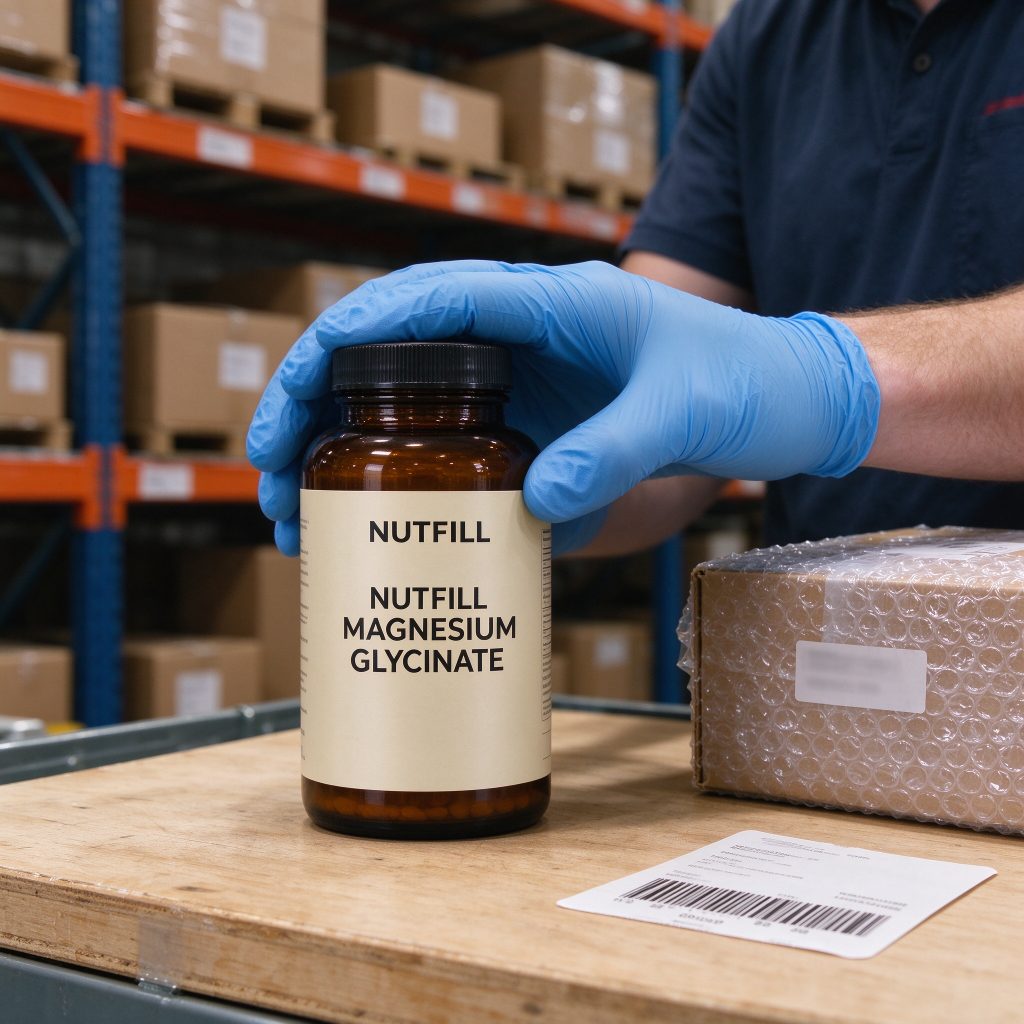
For a white label supplement brand, the third-party logistics partner is not a back-office detail — it is the last physical contact the buyer has with your brand, and the first place regulators look when something goes wrong. In 2026, between FDA cGMP rules that now apply to holding operations, ingredient traceability requirements, and marketplace verification programs, choosing the right supplement 3PL is a brand decision with compliance consequences. For a Shopify store, the 3PL also becomes a technical integration: orders, inventory, and tracking have to move between the storefront and the warehouse without manual steps. This guide gives you the nine-question audit to run against any fulfillment partner before you sign.
Why the 3PL Choice Is a Brand Decision
Most new supplement brands pick a warehouse the way they pick a shipping app: cheapest, fastest, done. That logic fails twice in this category. First, fulfillment is where brand experience is actually delivered — the box, the accuracy, the condition of the product, and the speed all decide whether a first-time buyer becomes a repeat buyer. Second, compliance risk sits with the brand, not the warehouse. When a supplement product fails a marketplace verification or a regulatory inspection, the brand label carries the penalty, not the 3PL’s name.
The economics reinforce the point. Private label supplement gross margins commonly run 70–85%, which means there is real margin to protect — and fulfillment is the easiest place to lose it. A generalist 3PL that mishandles temperature-sensitive inventory, ships short-dated product to a subscriber, or cannot produce lot-level records on demand converts your margin advantage into refunds, chargebacks, and lost subscriptions. The right supplement 3PL protects margin; the wrong one quietly erodes it.
The 9-Question Audit
Run every prospective fulfillment partner through these nine questions, grouped into three sections. A partner should answer most of them with documentation, not assurances. And if the partner does not understand how orders reach them from a Shopify store, the rest of the audit is moot.
Compliance
- Does cGMP apply to your operations, and how do you evidence it? FDA cGMP rules under 21 CFR Part 111 cover manufacturing, packaging, labeling, and holding operations — which includes most 3PL warehouses that store supplements. Ask for written procedures, SOPs, training records, and audit history.
- How do you handle temperature and humidity control? Probiotics, fish oils, and softgels degrade in warm or humid storage conditions. Confirm monitored, alarmed climate zones and First-Expired-First-Out (FEFO) rotation — not the FIFO a generalist warehouse uses.
- Can you export lot-level traceability in minutes? In the era of ingredient traceability requirements, the partner should be able to connect a specific batch to every order, recipient ZIP, and ship date on demand. If recall data takes days to assemble, walk away.
Operations
- Are you ready for my sales channels — starting with my Shopify store? Orders should flow from your Shopify admin to the warehouse automatically, through a Shopify fulfillment app or a direct integration, with inventory levels syncing back in real time. Then confirm the rest: Amazon FBA prep with expiration dating rules, Walmart WFS workflows, and TikTok-compatible shipping without re-platforming inventory. Marketplace rules change fast; the partner should flex, not lecture.
- Can you do subscription and kitting? Multi-SKU subscription boxes, automated replenishment, and intelligent allocation that prevents stockouts on recurring orders. If your growth plan includes subscriptions — and it should — this is non-negotiable.
- What does your inventory visibility look like? Real-time stock levels, expiry-date tracking, and allocation across sales channels. The brand should be able to see the truth about inventory without asking for a spreadsheet.
Economics
- What is the full cost picture? Pick-and-pack, storage, kitting, returns, and any minimum fees — itemized and understood before you scale. Surprise line items are how margin disappears.
- How do costs scale with growth? Volume tiers, pallet vs. bin storage, and multi-SKU pricing. The deal that looks cheap at 100 orders a month may be expensive at 5,000.
- What happens at peak and at launch? Capacity for seasonal spikes, new SKU onboarding speed, and a plan for stock that sits longer than planned. Your first Black Friday will test this whether you prepare or not.
Three Ways to Fulfill
Most supplement brands choose between three fulfillment models, and the right answer depends on stage and channel mix:
| Model | How it works | Margin impact | Best for |
|---|---|---|---|
| Generalist 3PL | Standard warehouse, generic processes | Lowest cost, highest risk to the 70–85% range | Very early brands shipping low-risk SKUs |
| Supplement-specialist 3PL | cGMP-aware processes, climate zones, lot traceability | Protects the 70–85% range with premium fees | Brands with compliance exposure or subscriptions |
| Hybrid (specialist + FBA/SFN split) | Specialist ships DTC and subscriptions, FBA or Shopify Fulfillment Network covers marketplace orders | Balances reach and control; two sets of rules | Brands selling across Amazon and their own store |
The pattern is consistent: the more compliance exposure and recurring revenue you carry, the more a supplement-specialist partner earns its fees. A generalist 3PL can look dramatically cheaper per order and quietly cost you more in lost listings, wasted inventory, and refunds. For a white label brand whose margin sits in the 70–85% range, the partner that protects the brand is the partner that protects the margin.
Red Flags
Certain signals should end the conversation regardless of price:
- No written procedures. If they cannot produce SOPs and audit history in the first meeting, they will not produce them at the first inspection.
- No climate monitoring. “We keep it climate-controlled” without monitored, alarmed data is a claim, not evidence.
- FIFO only, no expiry tracking. Supplements need FEFO and date-based allocation; anything less ships stale product to your customers.
- No Shopify or marketplace integration. A partner who has never connected to a Shopify store or touched FBA prep will slow your channel expansion.
- Opaque pricing. If they cannot itemize costs line by line, the margin erosion is already priced into your future.
- No subscription experience. Adding subscriptions later means re-negotiating everything; the partner should already run recurring-order workflows.
FAQ
Do supplement brands need a specialty 3PL, or is any warehouse fine?
If you sell temperature-sensitive SKUs, sell on regulated marketplaces, or run subscriptions, a supplement-specialist 3PL is the safer choice. FDA cGMP rules apply to holding operations, and marketplace verification programs now ask for facility-level evidence. A generalist 3PL can work for low-risk, shelf-stable SKUs at very early stage — but the moment compliance exposure grows, the specialty partner earns its premium.
Can I use FBA or Shopify Fulfillment Network as my only fulfillment channel?
Yes, for the channels those programs cover. FBA handles Amazon orders, and Shopify Fulfillment Network covers Shopify storefront orders — but both limit your control over expiry-date management, subscription allocation, and DTC branding. Most growing brands use FBA or SFN for marketplace volume and a supplement-specialist 3PL for their own store and subscriptions.
How much does supplement 3PL fulfillment cost?
It varies with pick-and-pack rates, storage, kitting, and shipping. The range that matters is not the sticker price but the total cost per order after storage minimums, returns, and compliance overhead. For a white label brand protecting 70–85% margins, the right question is not “cheapest per order” but “what does fulfillment cost me across a full subscription lifecycle?”
How do I verify a 3PL’s compliance claims?
Ask for third-party verification certificates, cGMP evidence for holding operations, written SOPs, batch-level records, and a reference call with a current supplement client. Then test the systems: request a sample lot-traceability export and a temperature-monitoring report. The partner who answers with documents instead of assurances is the partner you can audit later.
The supplement 3PL you choose either protects the brand or exposes it. Run the nine-question audit before you sign, read the red flags, and let compliance exposure and subscription volume — not sticker price — decide the model. The right partner makes 70–85% margins feel effortless; the wrong one makes them disappear one order at a time.
