The Supplement Brand Playbook in 2026: Packaging, Claims, and Content That Sell
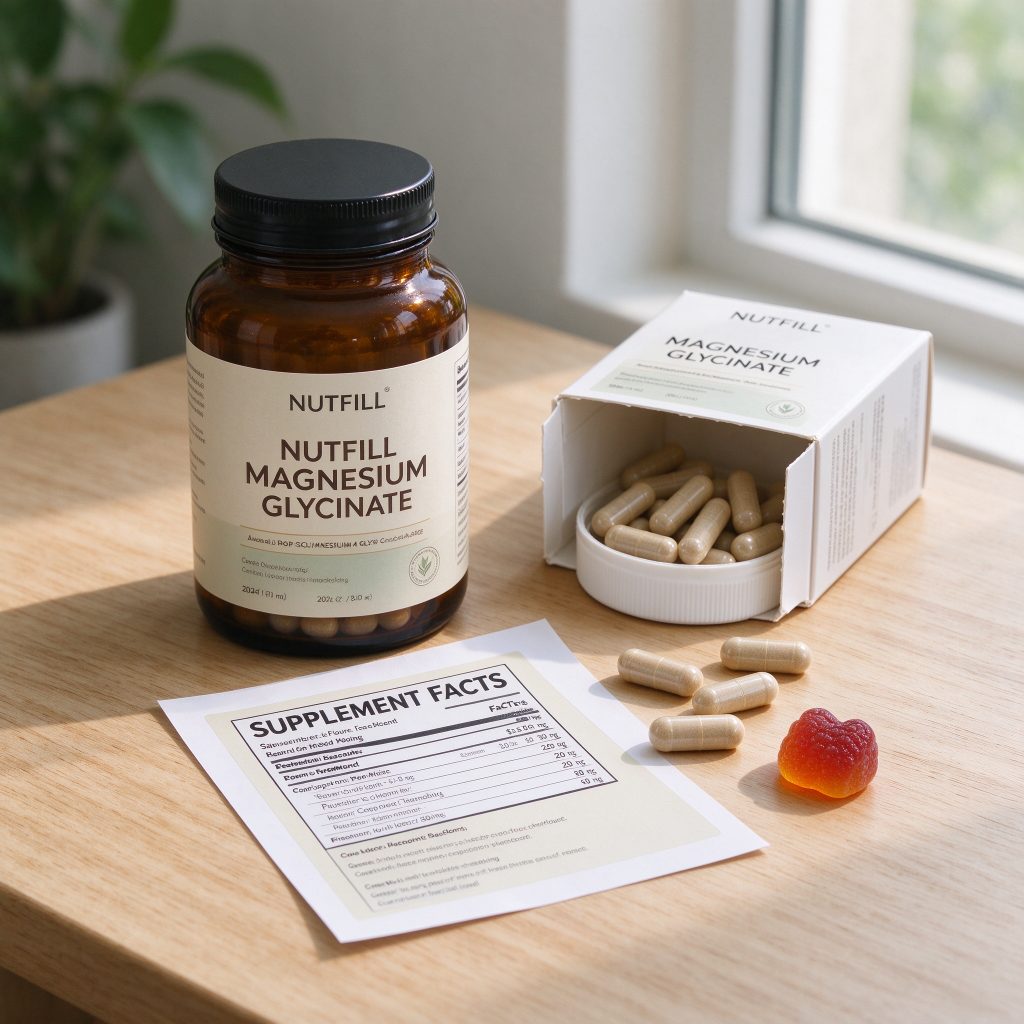
Building a supplement brand comes down to three surfaces: the bottle the buyer sees, the claims the buyer reads, and the content that convinces them. For a brand selling on Shopify, those surfaces are the product page, the product page copy, and the store blog — plus the packaging that arrives in the box. Most new white label supplement brands get one of these right and ignore the other two. This playbook covers all three: how to design packaging that earns a second look, write claims that sell without crossing FDA lines, and build content that turns strangers into subscribers — and wire that brand into a Shopify store that converts.
Packaging Is Your First Brand Asset
Before a buyer reads a single review, they see the bottle. On a Shopify product page, packaging is the only marketing you get before the click — the hero image, the thumbnail, and the gallery. In 2026, packaging decisions are also compliance decisions: the Supplement Facts panel, the net quantity, and the product name all have to be right before anything looks good.
Three principles separate packaging that sells from packaging that sits in inventory:
- Design for the thumbnail. Most purchases start as a small image on a screen — a Shopify search card or an ad. One bold color, one clear product name, and one visual cue beat a busy label that turns to static at small sizes.
- Make the promise visible. The packaging should repeat the brand’s one-line promise, not a list of generic benefits. “Sleep, without the grogginess” outperforms “Melatonin 3 mg” — and that same promise repeats in the product page headline.
- Treat compliance as part of the design. FDA labeling requirements — including the Supplement Facts panel format under 21 CFR 101.36 — should be built into the layout from the start, not squeezed in after. A clean, compliant label signals a brand that knows what it is doing.
For a white label supplement brand, packaging is also where you take ownership. The formula may come from a supplier, but the label, the copy, the color system, and the unboxing experience are yours — and they show up on the Shopify storefront long before the product ships. That ownership is what makes the brand defensible.
Claims That Sell Without Crossing the Line
The fastest way to kill a supplement brand is a claim that attracts a warning letter — and on a Shopify store, every claim is public, permanent, and indexed. The FDA regulates what you can say about a dietary supplement, and the line is narrower than most new brands assume. The practical rule: you can describe the structure or function of the product — how an ingredient supports the body — but you cannot claim to diagnose, treat, cure, or prevent disease.
Claims that work and stay compliant tend to follow a pattern:
- Structure/function language. “Supports healthy sleep cycles,” “helps maintain blood pressure already in the normal range,” and “supports joint comfort” describe the body’s structure or function without promising a medical outcome. These phrases belong in the product page description, the page title, and the store blog.
- Evidence-backed statements. When your supplier provides batch testing and Certificates of Analysis, “third-party tested, every batch” is both true and powerful — and a competitor without documentation cannot copy it. Put the proof next to the claim on the product page.
- Honest positioning. A claim like “formulated for people who track their numbers” is about the audience, not the medicine. It differentiates without overpromising.
The claims that get brands in trouble promise disease outcomes, cite unverified benefits, or imply safety without testing. For a white label brand, the safe path is simple: work with a partner who provides compliant label support and cGMP documentation, then make the brand’s differentiators — testing, sourcing, traceability — the center of every claim on the Shopify product page.
Content That Builds Authority
Buyers do not buy a supplement the first time they hear about it. They buy after the brand has answered their questions two or three times. That is what content is for — and on a Shopify store, the native store blog is the cheapest, most controllable authority-building surface you have. Content turns attention into trust, and trust into orders.
The content that works for supplement brands in 2026 is educational, specific, and repetitive:
- Explain the mechanism. Why does magnesium glycinate differ from magnesium oxide? Why does timing matter for sleep supplements? Answering the real questions buyers ask builds authority no ad can buy — and Shopify blog posts are where those answers live.
- Show the evidence. Batch numbers, COA summaries, third-party verification, and sourcing stories belong in content, not just in the fine print. Brands that publish their quality documentation treat transparency as a feature.
- Repeat the same promise. A position is not a slogan; it is a message repeated across the product page, the Shopify blog, the email sequence, and the FAQ until the market associates it with your brand.
- Answer the objections. An FAQ that honestly addresses “is this safe?”, “how long until I feel it?”, and “what if it doesn’t work?” removes the last reasons not to buy.
For SEO and GEO, this content has a dual effect. It earns rankings for the specific, high-intent phrases your buyers search — “supplement for better sleep,” “magnesium for stress support” — and it gives AI-assisted search engines clear, citable answers about your brand. Shopify analytics then shows you which articles actually drive product page visits, so you double down on the content that converts rather than the content that only looks good.
The Brand Asset Scorecard
Every brand asset either builds trust, drives conversion, or does nothing. Score your brand against this simple framework:
| Brand asset | What it does | Margin impact |
|---|---|---|
| Compliant, thumbnail-clear packaging | Earns the click on the Shopify product page | Protects the 70–85% range |
| Compliant structure/function claims | Converts without legal risk | Protects the 70–85% range |
| Published testing and sourcing evidence | Builds trust that survives comparison | Supports premium pricing, 70–85% |
| Shopify blog content | Builds authority and repeat traffic | Lowers acquisition cost over time |
| FAQ that answers real objections | Removes purchase friction | Raises conversion rate |
| Follow-up education and proof | Turns first orders into subscriptions | Compounds margin into LTV |
Notice what this scorecard does not include: gimmicks, unverifiable promises, and one-off stunts. In a category defined by verification, the assets that protect 70–85% private label margins are the ones that make the brand easier to trust. Bundles fit here too: a Shopify Bundles app lets you combine the hero product with a refill or a complementary SKU into one higher-value offer, but only after the core assets are in place. Bundles amplify a strong position; they cannot rescue a weak one.
The Launch Checklist
A positioned supplement brand does not happen by accident on Shopify. It happens when every surface is aligned inside Shopify admin before the first order ships:
- Lock the one-line promise and the specific audience it serves; set it as the store’s voice for every page.
- Collect the proof stack from your white label supplement supplier: cGMP verification, batch COAs, and traceability records — then upload them to the product gallery.
- Design the label around compliance first, then make it thumbnail-clear and promise-visible; shoot the hero images for the Shopify product page.
- Write claims in structure/function language, and have the label reviewed against FDA requirements before printing.
- Publish three pieces of Shopify blog content that answer the buyer’s real questions before launch day.
- Turn on the reviews app and Shopify Subscriptions — or a subscribe-and-save app from the Shopify App Store — so social proof and recurring orders are ready from day one.
- Put the proof in the package — batch number, COA summary, and a sourcing note in every order fulfilled by your supplement fulfillment partner.
- Plan the follow-up sequence in your email or SMS platform that re-earns trust and converts the first order into a subscription.
FAQ
How do I know if my supplement label is compliant?
Start with the fundamentals: a correct Supplement Facts panel in FDA format (21 CFR 101.36), accurate product identity, net quantity, and structure/function claims that stay within the rules. Use a white label supplement supplier that offers labeling support or works with a regulatory partner, and have a professional review the final label before printing. The cost of a reprint is small; the cost of a warning letter is not.
Can I mention clinical studies on my supplement brand?
Carefully. You can reference published research to support a structure/function statement, but the claim must still be accurate, not misleading, and within the labeling rules — across the product page, the blog, and every ad you run. For a new brand without your own studies, the safer differentiator is your own quality documentation — third-party testing and batch-level COAs — which you can show without regulatory ambiguity.
What content should a supplement brand publish first?
Publish the answers to the three questions every buyer asks: what is this, how does it work, and why should I trust it. One pillar post per hero product plus a focused FAQ beats a scattered blog. Educational content that answers real search intent earns rankings, feeds AI-assisted discovery, and shortens the path from first visit to first order on your Shopify store.
Does content marketing actually move supplement sales?
Yes — but it moves the buyers who are already close. Most supplement shoppers verify before they buy, and content is where verification happens. A brand that publishes its testing, explains its ingredients, and answers objections converts more of the traffic it already has, which lowers acquisition cost and protects margin. It is not a substitute for ads; it is what makes ads profitable.
The brands that win the supplement category in 2026 treat packaging, claims, and content as one system — and run that system on a Shopify store designed for trust. Design a label that earns the look, write claims that sell within the rules, and publish proof that answers every objection. Do that consistently, and the 70–85% margins of private label supplements stop being a ceiling and start being a reward.
