White Label Supplements in 2026: How to Build a Brand Buyers Trust (Without Owning a Factory)
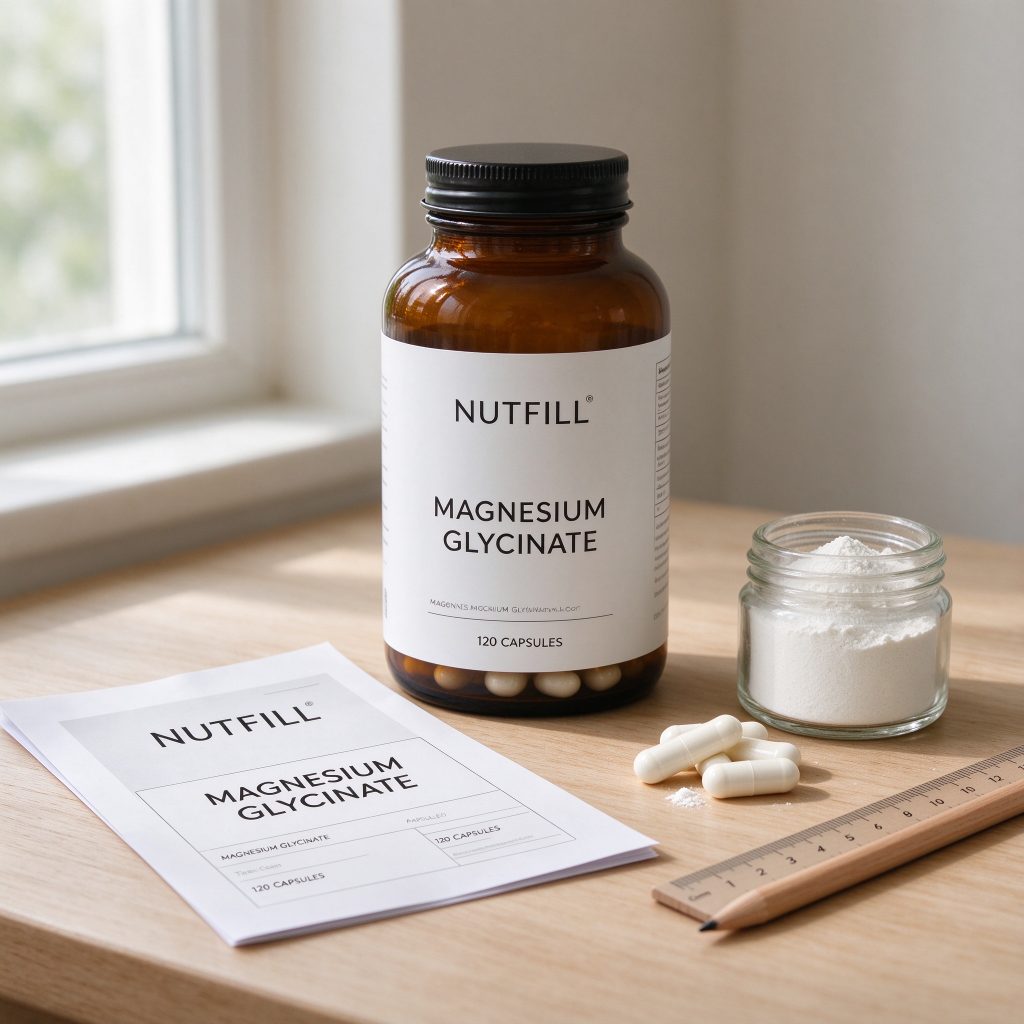
Category: Brand Building | Reading time: 8 min | Audience: private-label health brand owners and ecommerce entrepreneurs
The short version: White label supplements are the fastest, lowest-risk path to a real supplement brand in 2026. The private-label contract manufacturing market is roughly doubling from $59.6 billion (2024) toward $121.2 billion by 2030, and the demand side is just as strong — gummy formats alone hold 25.5% of the U.S. market, and buyers increasingly search for the problem they want solved, not a brand name. The brands that win aren’t the ones with the cheapest white label supplement supplier; they’re the ones that treat the white label formula as a starting point and build differentiation, trust, and retention on top of it. This guide walks through the model, the supplier checklist, and the brand-building playbook that turns a stock formula into a defensible business.
Why White Label Supplements Are the Smartest Entry Point in 2026
Every supplement brand starts with the same question: do we formulate from scratch or start with a proven product? For most independent operators, the answer in 2026 is white label supplements — existing, ready-to-ship formulas that you brand as your own.
The economics explain why. Private-label supplement gross margins commonly run 70–80%, and because supplements are consumable, reorders and subscriptions compound that margin into meaningful lifetime value (month-one subscription retention in the category typically lands between 75% and 90%, with average LTV of $180–
$350 per customer). At the same time, the barrier to entry has collapsed: contract manufacturers now offer low MOQs, turnkey labeling, and global fulfillment, so a single operator can launch a branded product line with a few thousand dollars instead of a factory contract.
There is a structural tailwind too. The dietary supplement contract manufacturing market is projected to grow from about $59.6 billion in 2024 to roughly $121.2 billion by 2030 — a ~12.6% CAGR. More manufacturing capacity means more formulas, lower minimums, and faster iteration for small brands — exactly the conditions under which white label supplements thrive.
White Label vs. Private Label vs. Custom Formulation: Pick Your Model
These three terms get used interchangeably, and choosing the wrong one is where new brands lose momentum. The practical difference:
| Model | Formula | MOQ | Launch speed | Margin | Best for |
|---|---|---|---|---|---|
| White label | Existing stock formula, your label | Low | Fastest (weeks) | 70-80% | Validating a niche at low risk |
| Private label (custom) | Formula built to your spec | Medium-high | Slower (months) | 70-80%+ | Differentiated brand with defensibility |
| Custom OEM/ODM | Fully developed with your partner | Highest | Slowest | Highest | Long-term category leadership |
The 2026 playbook: launch with white label supplements to validate demand, then migrate your winning SKUs to custom private-label formulations as volume proves out. This “validate first, customize second” sequence is how profitable brands are built without betting the company on day one.
How to Choose a White Label Supplement Supplier
Your white label supplement supplier is the single most consequential partnership in the business — product quality, compliance, and consumer trust all trace back to it. Vet candidates against six criteria:
-
Verifiable cGMP manufacturing (21 CFR Part 111). Demand documentation: audit reports, batch records, and identity testing procedures. This is non-negotiable, and it matters more every year as platforms tighten enforcement.
-
Compliant labeling support. The supplier should handle Supplement Facts panels in FDA format (21 CFR 101.36), product naming, and net quantity — or work with a partner who does.
-
Batch testing and Certificates of Analysis. Third-party or in-house testing on every batch, with records you can access. If they can’t show testing, walk away.
-
Flexible MOQs and iteration. Consumer trends turn fast; you want a supplier who lets you swap formulas and packaging without dead inventory.
-
Fulfillment and global shipping capability. For cross-border brands, verify warehousing, tracked shipping to your target markets, and whether they hold supplement product under cGMP-appropriate conditions.
-
Transparency and documentation. The best indicator of a reliable supplier is how quickly they produce written procedures, audit evidence, and COAs when asked.
A useful benchmark: over 68% of B2B buyers in this space now prioritize suppliers offering white-label options specifically to test branding quickly. If a supplier can’t do white label cleanly, they’re probably not built for modern DTC brands.
The Brand-Building Playbook: Turning a Stock Formula into a Defensible Brand
A white label supplement supplier gives you a product; only you can give it a brand. In 2026, the difference between a commoditized bottle and a valuable brand comes down to four moves:
1. Pick one person and one problem
Symptom-first shopping dominates: consumers search for “bloating,” “restless sleep,” or “afternoon crash” before they search for brand names. Position your white label products around a narrow problem and a specific outcome — a focused 2-4 SKU line outperforms a random shelf of 50.
2. Differentiate the format and the experience
Non-pill formats now hold 65% of the U.S. supplement market, with gummies alone at 25.5%. Format choice is a brand decision: sleep gummies, magnesium chews, or daily packs signal who you are faster than a label color ever will.
3. Make quality visible
Trust is the moat in supplements. Publish your testing approach, third-party certifications, and sourcing standards. In an industry crowded with low-quality operators, transparent quality evidence converts skepticism into loyalty.
4. Build the retention engine
Consumable products reward retention: subscribe-and-save, reorder reminders, and win-back flows turn a $65 first order into a $180–$350 customer. Brands that design for reorder from day one compound acquisition spend instead of renting customers.
Where the 2026 Demand Is: Product Opportunities for White Label
| Opportunity | 2026 signal |
|---|---|
| Gummy supplements | $27.15B market (2025), 9.15% CAGR |
| Gummy vitamins | $9.29B (2026) → $12.75B (2030) |
| Sleep, stress & mood (magnesium, ashwagandha) | Fastest-rising symptom searches |
| GLP-1 companion supplements | $2.8B (2025) → $8.1B (2034) |
| Beauty-from-within (collagen) | Strong social-video demand |
| Gut health & probiotics | High repeat rates |
The rule: pick the opportunity aligned with your audience’s actual problem — not the trendiest ingredient. A white label supplement supplier with flexible formulas lets you test two or three of these cheaply and double down on what converts.
FAQ
Are white label supplements profitable in 2026?
Yes. Gross margins typically run 70-80%, and consumable reorders drive strong repeat revenue. Net profitability depends on niche selection, branding, and customer-acquisition efficiency — not on the model itself.
What is the difference between white label and private label supplements?
White label uses an existing stock formula under your brand — fastest and lowest risk. Private label customizes the formula and packaging for you — higher MOQ, slower launch, stronger defensibility. Most brands start white label and graduate winners to private label.
How do I find a reliable white label supplement supplier?
Look for verifiable cGMP compliance (21 CFR Part 111), batch testing with Certificates of Analysis, compliant labeling support, flexible MOQs, and global fulfillment. Ask for documentation before you commit, and test with a small order first.
Do I need FDA approval to sell white label supplements?
You don’t need pre-market FDA approval for dietary supplements, but you are responsible for compliant labeling, accurate claims, and product safety. Your supplier’s cGMP compliance is your first line of defense.
How long does it take to launch a white label supplement brand?
With a turnkey supplier, typically a few weeks — formula selection, label design, MOQ ordering, and fulfillment setup. Custom private-label formulation takes months and is best done after demand is proven.
NutFill is a private-label manufacturing and fulfillment partner for supplement brands — from compliant formulation and labeling to warehousing and worldwide shipping. If you’re ready to move from idea to a branded supplement line, talk to our team about white label options, custom formulation, compliance support, and fulfillment that actually scales.
